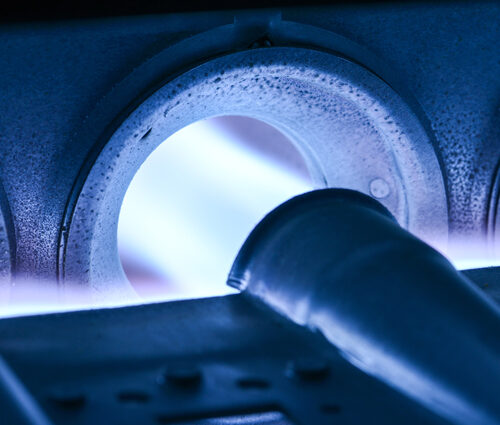
Carbon monoxide (CO) is a highly toxic gas, but it is colorless, odorless, tasteless, and non-irritating to the airways or skin. Because CO is produced by the incomplete combustion of fuels, common sources include furnaces, boilers, space heaters, fireplaces and gas stoves. The CO forms when there is insufficient oxygen to allow for complete combustion around these appliances.
Deemed the “silent killer”, carbon monoxide is virtually impossible to detect without testing for its presence with the proper instrumentation. CO can build up slowly and silently, often going unnoticed by occupants until they experience symptoms of CO poisoning – making routine testing a critical part of HVAC safety to ensure systems are operating safely.
Combustion System Health: The Foundation of CO Safety
Preventing carbon monoxide poisoning starts with proper installation and maintenance of combustion appliances. HVAC professionals should:
- Inspect combustion appliances regularly to ensure correct and efficient functionality
- Keep air intake, exhausts, and vent systems clear of dust, dirt, and lint.
- Confirm draft hood, exhaust vent, chimney, flue pipes are unobstructed and properly venting gas
- No materials are stored near appliance to impede airflow
While awareness of carbon monoxide poisoning is important, testing is the only way to verify CO’s presence.
Effective Methods to Test for Carbon Monoxide
Relying solely on residential CO alarms may not be enough for a workplace environment. UL2034 approved residential CO alarms are not required to alarm at levels below 70ppm1 – above OSHA’s 50ppm permissible exposure limit for an 8-hour work day.2
Because CO is colorless, tasteless, odorless and non-irritating, the best way to detect its presence is to use an electronic combustion analyzer.
Professional technicians use combustion analyzers to:
- Detect low-level CO down to 1 ppm
- Evaluate if systems are within acceptable exposure limits
- Support prevention of future issues through early intervention
MSA Combustion analyzers – such as the Insight Plus, InTech and PCA 400 – provide fast, accurate CO readings to help maintain safe operating conditions and determine combustion efficiency.
Confidently Detect and Prevent CO Hazards with MSA Combustion Analyzers
No matter the setting—residential, industrial or commercial—carbon monoxide is a silent threat that demands attention to avoid dangerous outcomes. MSA offers a comprehensive selection of combustion analyzers to equip you with the tools necessary for safeguarding your workers and customers against carbon monoxide hazards.
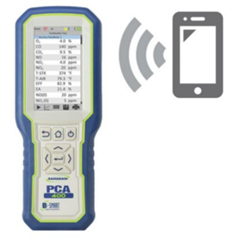
Bacharach PCA-400 Combustion and Emissions Analyzer: This versatile tool from MSA Safety provides comprehensive data on combustion and emissions, enabling engineers to fine-tune heating systems for efficiency and safety.

Bacharach Insight Plus Combustion Analyzer: Advanced features for in-depth combustion analysis and emissions testing, making it an invaluable asset in commercial and industrial settings. Powered by our innovative Tune-Rite® software which analyzes combustion data and provides real-time troubleshooting suggestions.

Bacharach InTech Combustion Analyzer: Designed for ease of use in domestic applications, the InTech analyzer helps HVAC professionals quickly assess combustion performance and identify issues that may lead to CO emissions.
All our Combustion Analyzers are compatible with our Combustion App which provides technicians remote operation of the instrument from any Android or iOS device. With the Bacharach Combustion app, it is easy to build customized reports in the field to include customer profiles with facility and equipment information, along with records of test data.
Given the dangers of carbon monoxide, HVAC professionals should be armed with reliable tools to detect and mitigate risk. CO leaks can stem from several appliance issues making consistent monitoring with professional-grade tools crucial. By identifying the carbon dioxide leak early, HVAC professionals play a pivotal role in protecting occupants, maintaining system integrity, and keeping operations running safely in every unique environment.
Sources:
Recommended for You