• Skip to primary navigation
  • Skip to main content
  • Skip to footer
  • MARKETS & PRODUCTS
    • Markets


      Construction

      Cybersecurity

      Fixed Gas & Flame Detection

      General Industry

      Healthcare

      HVAC-R

      Oil & Gas

      Training

      Utilities

      Products


      Combustion Analysis

      Confined Space

      Connected Work

      Corporate

      Fall Protection

      Fixed Gas & Flame Detection

      Gas Analysis

      General

      Head Protection

      Heat Stress

      Leak Detection

      Portable Gas Detection

      Refrigerant Analysis

      Respiratory Protection

      Column
  • SUBSCRIBE

UV/IR vs MSIR Flame Technology

2 Min Read | Sep 9, 2024

Reading Time: 2 minutesAs a safety professional, selecting flame detectors that align with your facility’s requirements is essential. Discover the key factors to consider when choosing a flame detection system.

September 9, 2024 by Melina Mangino

Reading Time: 2 minutes

As a safety professional, you want to purchase flame detectors that meet your facility’s needs. Learn what to consider when choosing a flame detection system.

From traditional industrial environments to today’s increasingly complex hazardous processes, the risk of explosion and/or fire remains a critical concern. However, basic process controls typically do not warn of conditions outside normal system limits. Since industry vapors and gases (hydrocarbons) burn with very high flame temperatures, an external fire detection system that can rapidly sound an alarm in the event of a fire is essential to protect human lives and valuable equipment.

As a safety professional, you want to purchase flame detectors that best meet your facility’s particular needs. Here are a few things to consider when researching a fire and gas detection system.
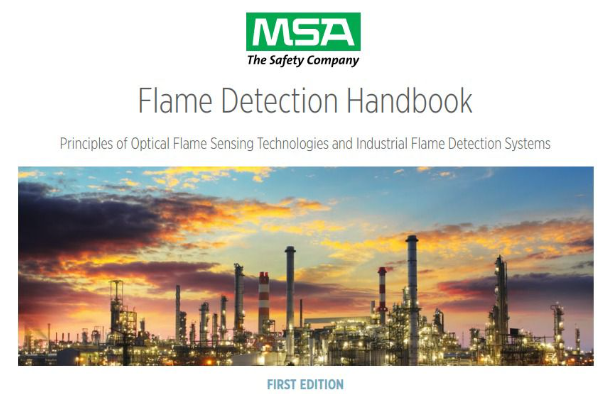
For a comprehensive overview of flame detectors, such as operating principles and coverage best practices, download our Flame Detection Handbook.

Download the Handbook

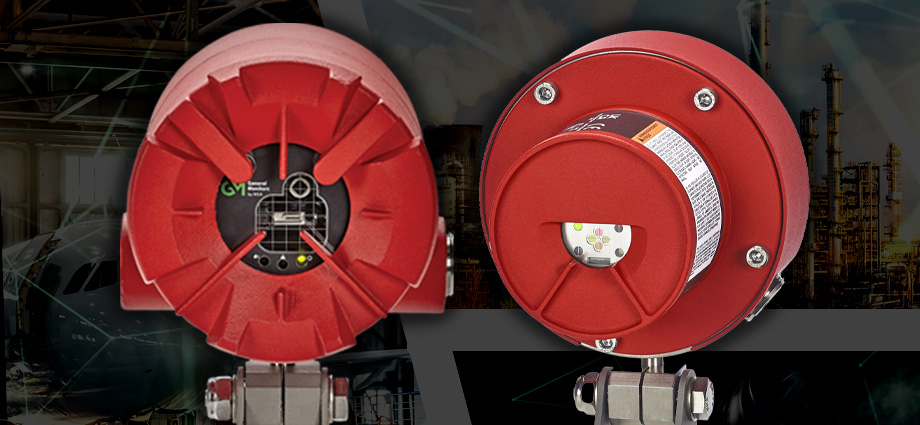
The most popular systems use optical methods to detect flames; that is, they detect the absorption of light at specific wavelengths. Two common optical flame detector types are (1) combination ultraviolet/infrared (UV/IR) and (2) multi-spectrum infrared (MSIR). Unlike simple UV or IR detectors, UV/IR and MSIR devices are sensitive to more than one band on the energy spectrum and therefore are less likely to produce a false alarm. Both technologies function well either indoors or outdoors and provide a reasonably fast response time.

Should you choose UV/IR or MSIR detectors? That depends on several factors.

  • What kind of fuels does your facility employ? Alcohols? Gasoline? LNG/LPG? Solvents? Something else? Understanding your fuel’s flammable properties will help you determine the optical flame-detecting technology you need.
  • Do other types of radiant energy exist in your facility, such as arc welding, hot objects, or direct sunlight? Your flame detectors should be able to distinguish between these non-fire energy sources and real flames. Typically, MSIR detectors provide the best immunity to these types of false alarms.
  • How high is the risk of air-borne particulates should a fire occur? Smoke, oil, grease, and some chemical vapors can reduce a UV/IR unit’s detection range, so if, for example, heavy smoke is a concern, you should consider MSIR technology.
  • Can the detector be placed near the potential ignition source or must it be located relatively far away? How wide an area should the device monitor? Different UV/IR and MSIR units offer varying detection ranges and fields of view (FOV). Match your environment with the corresponding device specifications for the best coverage.

This post has covered key factors to consider when choosing the right flame detection system for your needs. For further insights on these topics, including false alarm immunity and self-test diagnostics, download our Flame Detection Handbook

Recommended for You
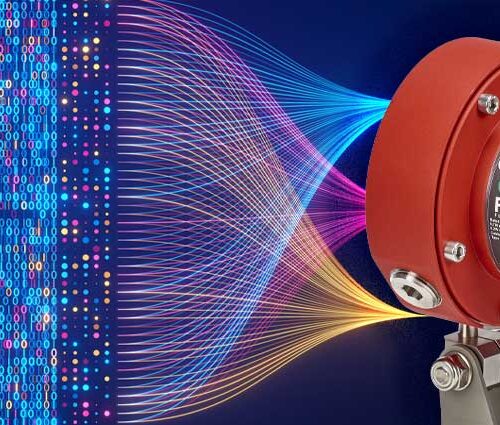
FL5000 Tech
Fixed Gas & Flame Detection

How Advanced Diagnostic Technologies Help Minimize False Alarms in Flame Detectors

June 6, 2024
2 Min Read
Fixed Gas & Flame Detection

Best Practices for Installing a Gas and Flame Detection System

April 20, 2020
Watch
Fixed Gas & Flame Detection

Exploring the Dangers of Industrial Hazardous Areas

June 1, 2023
2 Min Read
Fixed Gas & Flame Detection

What You Should Know About NFPA 72®

June 28, 2023
2 Min Read
Share:

Footer

MSA MISSION: That men and women may work in safety and that they, their families, and their communities may live in health throughout the world.

MSASafety.com

  • Construction
  • General Industry
  • Oil & Gas
  • HVAC-R
  • Utilities
  • Fixed Gas & Flame Detection
  • Fire Service
MSA on Facebook   MSA on X   MSA on Instagram   MSA on LinkedIn   MSA on YouTube  

Contact

  • blog@msasafety.com
  • 1-800-672-2222
  • View All Contact Info
  • Subscribe

Other MSA Blogs

  • Fire Service – The Scene
  • FieldServer – The Safety Connection

© 2024 MSA. All rights reserved.

© 2025 MSA . All rights reserved.

This website uses cookies to improve your experience. We'll assume you're ok with this, but you can opt-out if you wish. Accept Read More
Privacy & Cookies Policy

Privacy Overview

This website uses cookies to improve your experience while you navigate through the website. Out of these, the cookies that are categorized as necessary are stored on your browser as they are essential for the working of basic functionalities of the website. We also use third-party cookies that help us analyze and understand how you use this website. These cookies will be stored in your browser only with your consent. You also have the option to opt-out of these cookies. But opting out of some of these cookies may affect your browsing experience.
Necessary
Always Enabled
Necessary cookies are absolutely essential for the website to function properly. This category only includes cookies that ensures basic functionalities and security features of the website. These cookies do not store any personal information.
Functional
Functional cookies help to perform certain functionalities like sharing the content of the website on social media platforms, collect feedbacks, and other third-party features.
Performance
Performance cookies are used to understand and analyze the key performance indexes of the website which helps in delivering a better user experience for the visitors.
Analytics
Analytical cookies are used to understand how visitors interact with the website. These cookies help provide information on metrics the number of visitors, bounce rate, traffic source, etc.
Advertisement
Advertisement cookies are used to provide visitors with relevant ads and marketing campaigns. These cookies track visitors across websites and collect information to provide customized ads.
Others
Other uncategorized cookies are those that are being analyzed and have not been classified into a category as yet.
SAVE & ACCEPT