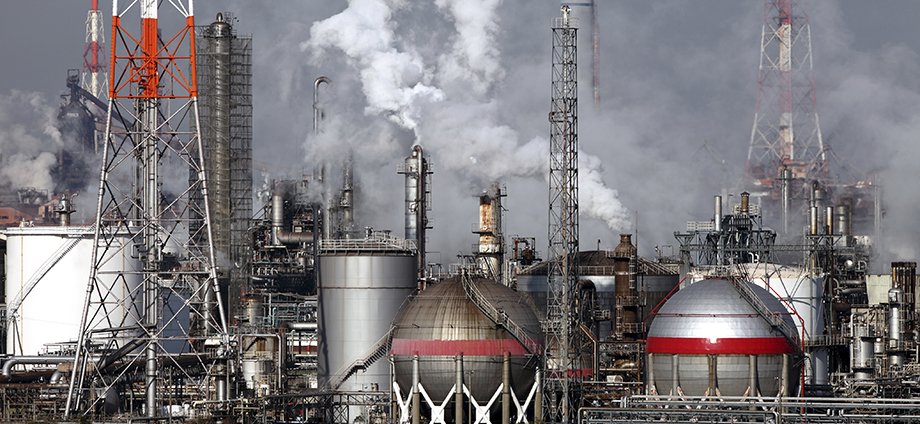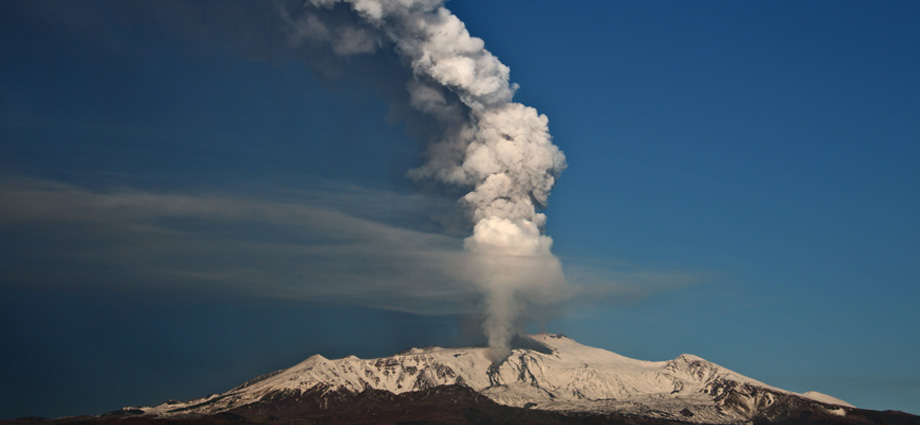
Sulfur dioxide (SO2) is a toxic gas with a pungent smell that poses serious health hazards when leaked into the atmosphere. While commonly associated with industrial processes, SO2 can also be released from natural sources such as volcanic eruptions. Higher exposure levels are often found in workplaces where it is produced as a by-product, such as in chemical refining, smelting, and the combustion of coal or oil. Industrial workers can also be exposed to SO2 during the manufacture of fumigants, food preservatives, clothing, paper, bleaches, and wine making. Its impact on human health and the environment cannot be overstated. In this post, we will explore the hazards of sulfur dioxide gas leaks, their consequences, and solutions to help prevent such occurrences.
Hazards of Sulfur Dioxide Gas Leaks
1. Health Hazards
Sulfur dioxide gas can cause a range of health problems, particularly for those with pre-existing respiratory conditions such as asthma or chronic obstructive pulmonary disease (COPD). When inhaled, SO2 can irritate the respiratory tract, leading to coughing, shortness of breath, and chest tightness. Prolonged exposure to high levels of SO2 can result in more severe health issues, including respiratory failure and even death.
People encountering SO2 concentrations of 10 to 50 parts per million (ppm) for 5 to 15 minutes will find it causes irritation to the eyes, nose and throat, choking, and coughing. Exposure to liquid sulfur dioxide (from, for example an industrial accident) can cause severe burns (frostbite) and the loss of vision. Other health effects include headache, general discomfort, and anxiety.
NIOSH requires breathing respirators at exposures of 2 ppm and higher. Those with impaired heart or lung function and asthmatics are at increased risk to SO2. Prolonged exposure to moderate concentrations may cause inflammation of the respiratory tract, wheezing, and lung damage.
2. Environmental Impact
Sulfur dioxide can react with other compounds in the atmosphere to form fine particulate matter, which can contribute to air pollution. These particulates can penetrate deep into the lungs, causing respiratory problems and exacerbating existing health conditions. Additionally, sulfur dioxide emissions can lead to the acidification of soil and water, posing a threat to ecosystems and wildlife.
3. Property Damage
Sulfur dioxide can corrode metal structures and damage buildings and infrastructure. In industrial settings, SO2 leaks can lead to the degradation of equipment, resulting in costly repairs and downtime.
Consequences of Sulfur Dioxide Gas Leaks
The consequences of sulfur dioxide gas leaks can be severe and far-reaching. In addition to the immediate health risks to individuals exposed to the gas, SO2 emissions can have long-term effects on public health, the environment, and the economy. For example:
- Healthcare Costs: Treating respiratory illnesses caused by sulfur dioxide exposure can place a significant burden on healthcare systems, leading to increased medical expenses and reduced productivity.
- Environmental Degradation: Sulfur dioxide emissions can contribute to the formation of acid rain, which can damage forests, crops, and bodies of water. Acid rain can also accelerate the deterioration of buildings and monuments.
- Economic Impact: SO2 leaks can result in the closure of businesses, evacuation of communities, and loss of income for affected individuals. Additionally, the cleanup and remediation efforts following a sulfur dioxide gas leak can be expensive and time-consuming.
Solutions to Prevent Sulfur Dioxide Gas Leaks
1. Regular Maintenance and Inspections: Implementing regular maintenance and inspection programs for industrial equipment can help identify and address potential sources of sulfur dioxide leaks before they occur. This can include the inspection of pipelines, storage tanks, and emission control systems.
2. Use of Advanced Monitoring Systems: Installing advanced monitoring systems can help detect sulfur dioxide leaks in real-time, allowing for prompt response and mitigation measures. These systems can include gas sensors, control systems, and air quality monitoring stations.
Recommended MSA Products: ULTIMA® X5000, General Monitors® S5000, TG5000
3. Improved Training and Safety Procedures: Providing comprehensive training to employees on the safe handling and storage of sulfur dioxide can help prevent leaks and minimize the risk of accidents. This can include proper ventilation techniques, emergency response procedures, and the use of personal protective equipment.
Recommended MSA Products: ALTAIR io™ 4, Air Purifying Respirators
4. Investment in Clean Technologies: Investing in clean technologies such as sulfur dioxide scrubbers and emission control systems can help reduce the amount of SO2 released into the atmosphere. These technologies can capture and remove sulfur dioxide from industrial emissions, preventing its release into the environment.
Conclusion
Sulfur dioxide gas leaks pose serious risks to human health, the environment, and the economy. By implementing proactive measures such as regular maintenance and inspections, advanced monitoring systems, improved training, use of PPE, and investment in clean technologies, we can help prevent sulfur dioxide leaks and mitigate their impact on our communities. It is essential that businesses, governments, and individuals work together to address this silent threat and ensure a safer and healthier future for all.
Ultimate guide to gas detection now avaliable!
DOWNLOAD TODAY!Recommended for You