• Skip to primary navigation
  • Skip to main content
  • Skip to footer
  • MARKETS & PRODUCTS
    • Markets


      Construction

      Cybersecurity

      Fixed Gas & Flame Detection

      General Industry

      Healthcare

      HVAC-R

      Oil & Gas

      Training

      Utilities

      Products


      Combustion Analysis

      Confined Space

      Connected Work

      Corporate

      Fall Protection

      Fixed Gas & Flame Detection

      Gas Analysis

      General

      Head Protection

      Heat Stress

      Leak Detection

      Portable Gas Detection

      Refrigerant Analysis

      Respiratory Protection

      Column
  • SUBSCRIBE

Utility Safety: Three Major Mistakes to Avoid

3 Min Read | Oct 1, 2018

Reading Time: 3 minutesInsights on keeping electric, natural gas, telecom, steam, water and wastewater workers safer.

October 1, 2018 by msasafety

Reading Time: 3 minutes
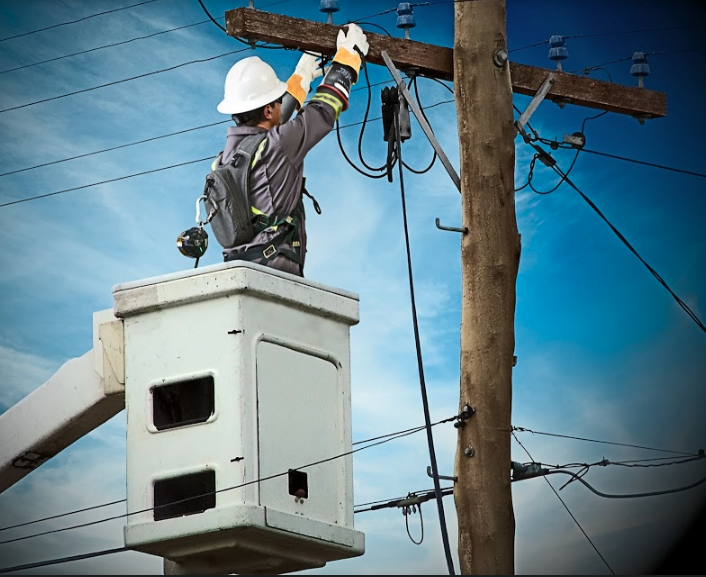
Worker repairing a line from a bucket truck

Vigilance: “The careful watch for danger or difficulty.” Almost nowhere is vigilance more important than within the nation’s utility industry. Hazardous working conditions include—but are not limited to—working at height, exposure to high voltage electricity, and confined spaces. Utility company employees who face these challenges, whether occasionally or routinely, can never let down their guard when it comes to their health and safety. For utility safety managers, vigilance means not just knowing the dangers, but preparing for them, too; a manager must keep an eye on both the overall safety plan and its day-to-day implementation. With that in mind, here are three serious oversights that will threaten the effectiveness of a safety program.
Utilities challenges whitepaper

Are you fully prepared to address all the hazards within the utility industry? Get an expert point of view on utility safety challenges and how to meet them in MSA’s free white paper, Top Safety Challenges for the Utilities Industry.

Download the White Paper

Generalizing or downplaying the dangers of the job.

What safety manager doesn’t know both the unique and inherent dangers of the work? Sometimes though, often through no fault of their own, the safety manager’s focus shifts from striving for and achieving safety excellence to sorting through and keeping up with confusing standards and changing rules. Of course, OSHA compliance is both sensible and necessary for a “legal” work environment. However, the best practices don’t stop there. A wise safety manager not only understands the general danger and meets basic standards, but considers each risk individually and provides custom safety solutions tailored to the worker and the job at hand. This policy, in turn, cultivates a safety-focused workplace culture, where workers master proper safety protocols and learn how to become their own safety advocates.

Not using the right PPE for the job.

Putting a utility worker in the wrong personal protective equipment (PPE) isn’t just a superficial oversight—it’s a potentially harmful or possibly even life-threatening error. Especially in the utility industry, there are far too many hazards—known and unknown—to take a casual approach to selecting PPE. Three of the most common risks are:

  • Working alone with nobody to see or hear when help is needed
  • Being exposed to high voltage environments
  • Doing the job on a ladder or in a bucket at height

With these kinds of dangers, it’s important to choose PPE with care. Selection criteria include:

  • Is the PPE designed to protect against specific hazards workers may encounter, such as falls from height, arc flash, or foreign objects entering the eye?
  • Does the PPE meet the appropriate ANSI standards?
  • Does the PPE fit well, and is it reasonably comfortable to wear?

Not taking advantage of PPE innovations.

It’s difficult to keep up with rapidly changing technologies, let alone stay ahead of the innovation curve. That being said, utilities cannot afford to lag behind when it comes to PPE improvements or they risk missing out on opportunities to amplify their safety initiatives. This doesn’t have to be an all-or-nothing proposition, though. There is middle ground: a PPE Acquisition Strategy. Simply put, a PPE Acquisition Strategy is a straightforward plan for when and how to invest in new PPE; when and how to get rid of unreliable, inappropriate, or outmoded PPE; and when and how to stay the current course.

One of the responsibilities of the utility safety manager is to continually look for new and better ways to manage safety. But even with heightened awareness and added attention to the hazards and innovations of the industry, there’s no guarantee an accident won’t happen. However, avoiding the mistakes outlined above tips the scale in favor of keeping electric, natural gas, telecom, steam, water and wastewater workers safer. And that, everyone can agree, is the right move.

Recommended for You
Construction

Responding to Portable Gas Detector Alarms: Benefits of Connected Safety Solutions in Confined Space Applications

August 13, 2024
5 Min Read
Toxic Gas Chlorine
General Industry

Chlorine in Industry: Safety Solutions for Workplace Protection

October 10, 2024
3 Min Read
Fixed Gas & Flame Detection

How Flame Detection Can Enhance Workplace Safety

January 21, 2025
3 Min Read
Construction

Demo Video: ALTAIR io™ 4 Devices and Grid Software

February 7, 2025
< 1 Minute Read
Share:

Footer

MSA MISSION: That men and women may work in safety and that they, their families, and their communities may live in health throughout the world.

MSASafety.com

  • Construction
  • General Industry
  • Oil & Gas
  • HVAC-R
  • Utilities
  • Fixed Gas & Flame Detection
  • Fire Service
MSA on Facebook   MSA on X   MSA on Instagram   MSA on LinkedIn   MSA on YouTube  

Contact

  • blog@msasafety.com
  • 1-800-672-2222
  • View All Contact Info
  • Subscribe

Other MSA Blogs

  • Fire Service – The Scene
  • FieldServer – The Safety Connection

© 2024 MSA. All rights reserved.

© 2026 MSA . All rights reserved.

This website uses cookies to improve your experience. We'll assume you're ok with this, but you can opt-out if you wish. Accept Read More
Privacy & Cookies Policy

Privacy Overview

This website uses cookies to improve your experience while you navigate through the website. Out of these, the cookies that are categorized as necessary are stored on your browser as they are essential for the working of basic functionalities of the website. We also use third-party cookies that help us analyze and understand how you use this website. These cookies will be stored in your browser only with your consent. You also have the option to opt-out of these cookies. But opting out of some of these cookies may affect your browsing experience.
Necessary
Always Enabled
Necessary cookies are absolutely essential for the website to function properly. This category only includes cookies that ensures basic functionalities and security features of the website. These cookies do not store any personal information.
Functional
Functional cookies help to perform certain functionalities like sharing the content of the website on social media platforms, collect feedbacks, and other third-party features.
Performance
Performance cookies are used to understand and analyze the key performance indexes of the website which helps in delivering a better user experience for the visitors.
Analytics
Analytical cookies are used to understand how visitors interact with the website. These cookies help provide information on metrics the number of visitors, bounce rate, traffic source, etc.
Advertisement
Advertisement cookies are used to provide visitors with relevant ads and marketing campaigns. These cookies track visitors across websites and collect information to provide customized ads.
Others
Other uncategorized cookies are those that are being analyzed and have not been classified into a category as yet.
SAVE & ACCEPT