• Skip to primary navigation
  • Skip to main content
  • Skip to footer
  • MARKETS & PRODUCTS
    • Markets


      Construction

      Cybersecurity

      Fixed Gas & Flame Detection

      General Industry

      Healthcare

      HVAC-R

      Oil & Gas

      Training

      Utilities

      Products


      Combustion Analysis

      Confined Space

      Connected Work

      Corporate

      Fall Protection

      Fixed Gas & Flame Detection

      Gas Analysis

      General

      Head Protection

      Heat Stress

      Leak Detection

      Portable Gas Detection

      Refrigerant Analysis

      Respiratory Protection

      Column
  • SUBSCRIBE

What to Consider When Choosing Heat Stress PPE: Design Features and Materials

3 Min Read | Jul 7, 2025

Reading Time: 3 minutesHead protection PPE designed with innovative materials and features to help mitigate heat stress can help keep workers safe and comfortable. Get an overview of some of the factors to consider when choosing PPE for heat stress.

July 7, 2025 by Melina Mangino

Reading Time: 3 minutes

Seasonal outdoor heat stress remains a significant occupational hazard, particularly for workers in road construction or working at height, agriculture, and oil and gas well operations.1 In fact, according to OSHA, “heat is the leading cause of death among all hazardous weather conditions in the United States.” In addition, the Bureau of Labor Statistics notes that “there were 33,890 estimated work-related heat injuries and illnesses that resulted in days away from work from 2011-2020, an average of 3,389 per year in that time period.”2

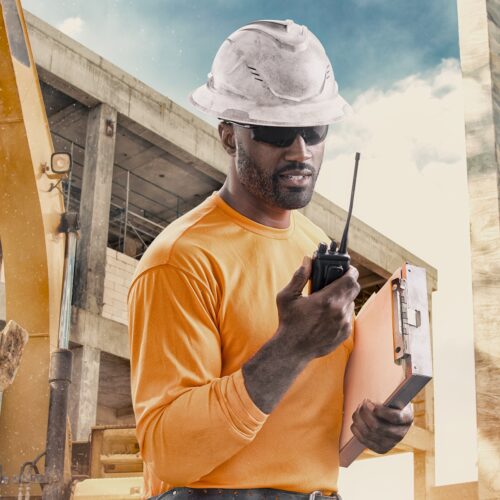
Head protection PPE designed with innovative materials and features to help mitigate heat stress can help keep workers safe and comfortable. Some of the latest hard hat and safety helmet materials and design features to consider for outdoor heat stress include:

Thermal Barrier Technology: A thermal barrier is one of the newest technologies in head protection PPE to help manage worker heat stress in outdoor, sunny conditions. The major benefit is that it can help to keep the inside of a hard hat cooler than those without this technology by reflecting infrared energy from the sun away from the wearer’s head, similar to the way a reflective screen in a car windshield or reflective liner in a home attic function. The V-Gard C1® Hard Hat features a patented ReflectIR™ Thermal Barrier technology, which helps keep the inside of the hard hat up to 20°F cooler compared to those hard hats without.

Evaporative Cooling Fabric: Cooling PPE, such as crown coolers or neck shades, are typically worn underneath a hard hat or safety helmet. The evaporative cooling fabric absorbs and releases water within the multi-layered material to help provide hours of cooling relief. V-Gard® Cooling Pads feature HyperKewl™ fabric, helping to cool 11°F – 21°F lower than the outside temperature and 50+ UPF. Simply soak the crown cooler or neck shade briefly in cool tap water prior to use for 5 – 10 hours of cooling relief.

Ventilation and Airflow: Hard hats and safety helmets with strategically placed large vents can help to increase wearer comfort by optimizing airflow and increasing comfort, to help further reduce heat stress. The V-Gard C1 Hard Hat features the largest vents MSA offers on a hard hat. An important note is that vented hard hats and safety helmets do not meet Class E certification; look for non-vented options to meet requirements for electrical work.

Moisture-Wicking Sweatbands: Sweat accumulation can exacerbate heat stress and worker discomfort; moisture-wicking sweatbands can help manage perspiration. Look for a hard hat or safety helmet with a premium moisture-wicking sweatband made with breathable foam padding, providing additional comfort and sweat management. Sweatbands can be easily removed for laundering or replaced to help maintain hygiene.

Full Brim Design: A full brim hard hat can offer additional shade and sun protection, helping to reduce direct exposure to sunlight. V-Gard C1 Hard Hats feature a full brim that is 12% larger than the brim on other MSA head protection solutions, to help provide additional shade; the brim is also textured for added grip when donning and doffing the hard hat.

When choosing head protection, an important first step is to conduct a hazard assessment to determine the hazards and risks associated with a particular jobsite and application. Seasonal, outdoor  heat stress may be identified as a top concern, in which case PPE solutions with some of the materials and design features outlined above may help to mitigate the risk of heat stress and help keep workers safe and comfortable.
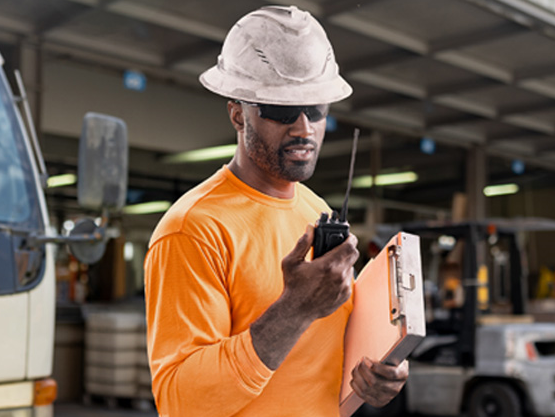
Type I and Type II Solutions from MSA, the Leader in Head Protection

LEARN MORE

Sources:

  1. https://www.osha.gov/heat-exposure
  2. https://www.osha.gov/heat-exposure/rulemaking

Recommended for You

Construction

Risk Factors and PPE for Heat Stress: White Paper

May 28, 2025
3 Min Read
Construction

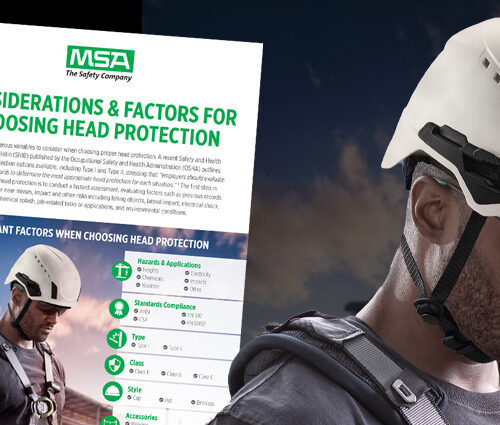
Infographic: Considerations & Factors For Choosing Head Protection

July 16, 2024
3 Min Read
Construction

Understanding the OSHA Proposed Rule on Heat Stress Prevention: “Heat Injury and Illness Prevention in Outdoor and Indoor Work Settings”

July 30, 2024
3 Min Read
Construction

Understanding the ANSI/ASSP A10.50-2024 Standard: Heat Stress Management in Construction and Demolition Operations

June 19, 2024
3 Min Read
Share:

Footer

MSA MISSION: That men and women may work in safety and that they, their families, and their communities may live in health throughout the world.

MSASafety.com

  • Construction
  • General Industry
  • Oil & Gas
  • HVAC-R
  • Utilities
  • Fixed Gas & Flame Detection
  • Fire Service
MSA on Facebook   MSA on X   MSA on Instagram   MSA on LinkedIn   MSA on YouTube  

Contact

  • blog@msasafety.com
  • 1-800-672-2222
  • View All Contact Info
  • Subscribe

Other MSA Blogs

  • Fire Service – The Scene
  • FieldServer – The Safety Connection

© 2024 MSA. All rights reserved.

© 2025 MSA . All rights reserved.

This website uses cookies to improve your experience. We'll assume you're ok with this, but you can opt-out if you wish. Accept Read More
Privacy & Cookies Policy

Privacy Overview

This website uses cookies to improve your experience while you navigate through the website. Out of these, the cookies that are categorized as necessary are stored on your browser as they are essential for the working of basic functionalities of the website. We also use third-party cookies that help us analyze and understand how you use this website. These cookies will be stored in your browser only with your consent. You also have the option to opt-out of these cookies. But opting out of some of these cookies may affect your browsing experience.
Necessary
Always Enabled
Necessary cookies are absolutely essential for the website to function properly. This category only includes cookies that ensures basic functionalities and security features of the website. These cookies do not store any personal information.
Functional
Functional cookies help to perform certain functionalities like sharing the content of the website on social media platforms, collect feedbacks, and other third-party features.
Performance
Performance cookies are used to understand and analyze the key performance indexes of the website which helps in delivering a better user experience for the visitors.
Analytics
Analytical cookies are used to understand how visitors interact with the website. These cookies help provide information on metrics the number of visitors, bounce rate, traffic source, etc.
Advertisement
Advertisement cookies are used to provide visitors with relevant ads and marketing campaigns. These cookies track visitors across websites and collect information to provide customized ads.
Others
Other uncategorized cookies are those that are being analyzed and have not been classified into a category as yet.
SAVE & ACCEPT