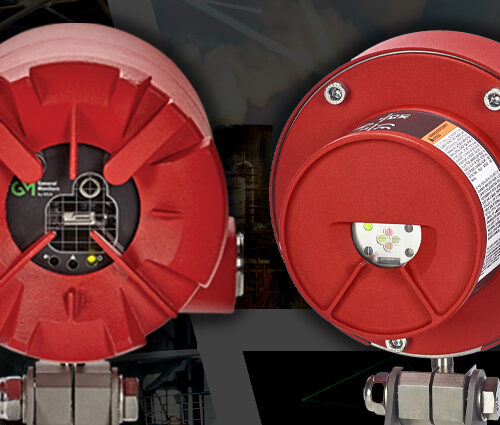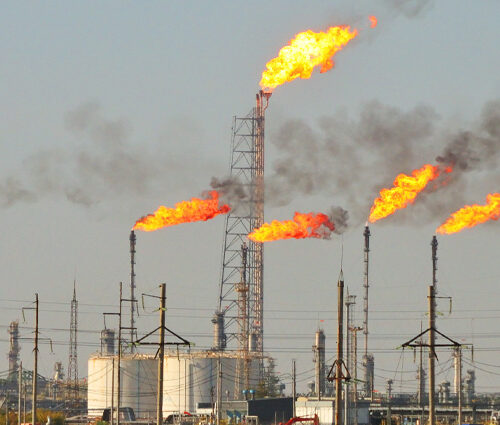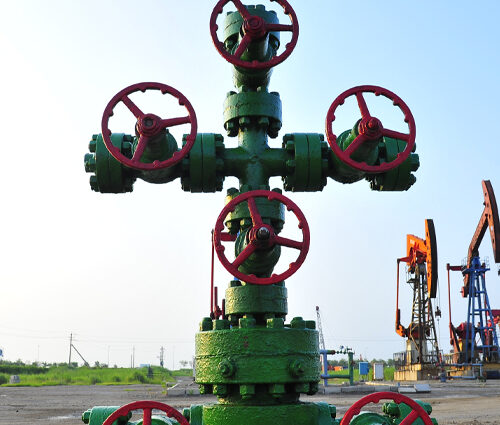
From operational efficiency to competitive advantage, and from cost savings to data-informed insights, these connected solutions can help drive improvement across key success metrics. As industrial facilities become more complex, access to real-time information is becoming increasingly critical.
In many industrial settings, downtime can cost thousands—or even tens of thousands—of dollars per minute. That’s why data-informed insights matter. In fact, information-driven insights are to industrial sites what GPS navigation is to a road trip: crucial to preparing for unexpected turns, avoiding unwanted roadblocks, or veering off-course entirely.
Relevant data can come in many forms, but one of the most valuable is through intelligent, real-time remote notifications and alerts. These empower decision makers, giving them greater control of their facilities and systems so they can take pre-emptive action and address potential issues before they escalate into costly downtime.
Understanding the Differences Between Smart Notifications and Real-Time Alerts
When it comes to interoperability and connectivity, smart notifications and real-time alerts are key tools for enabling faster, more informed decisions.
Notifications and alerts automatically inform the right people of the right information – when they need to know it, including before an incident occurs. Together, smart notifications and real-time alerts can transform how organizations monitor, maintain, and optimize operations, supporting safer and more reliable performance.
What Are Smart Notifications?
Smart notifications empower safety managers, operations personnel, and other stakeholders to make informed decisions so they can take proactive or pre-emptive measures. These notifications are contextual, prioritized, and often customized to the recipient.
Smart notifications provide much more than a status update. Thanks to historical tracking, MSA FieldServer gateways collect and store important data from connected devices. This enables:
- Data logging – capturing ongoing gas readings from multiple detectors
- Event recording – logging specific occurrences or anomalies, including calibration or faults
- Trend analysis – visualizing historical data to spot patterns and guide actions
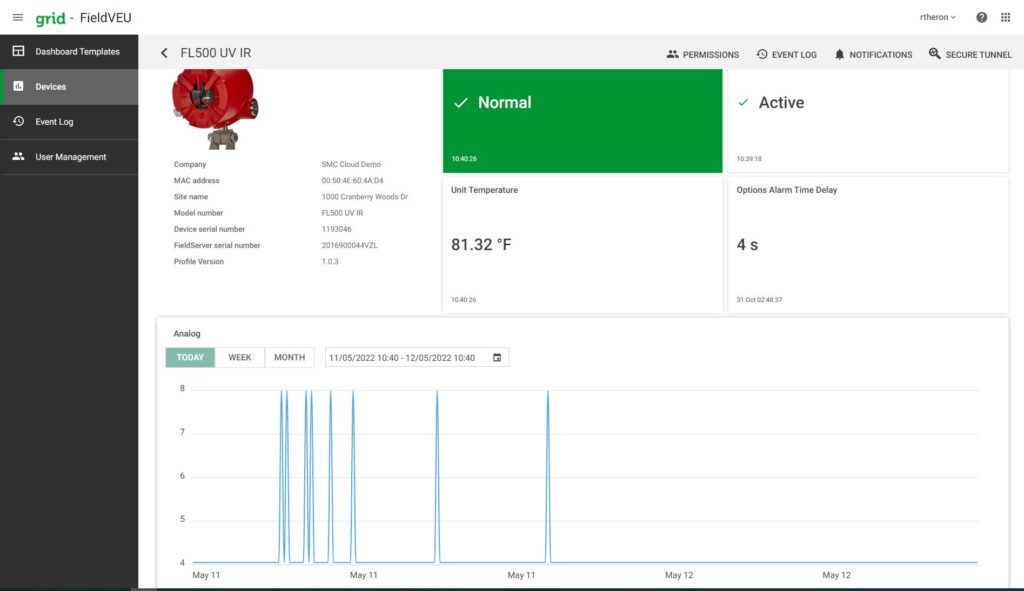
With smart notifications (as shown in the example below), teams can take informed, pre-emptive action based on meaningful insight.
What Are Real-Time Alerts?
Real-time alerts are similar but distinct. They are designed to provide situational awareness of an environment, condition, or event. They are fast, relevant, and informative – signaling that something requires attention so that decision makers can act quickly.
Real-time alerts are triggered by a specific event or a change in a predetermined parameter or threshold, such as a spike in a combustible gas detector reading or a change of oxygen concentration in a monitored location. This enables end users to visit their dashboard to identify the source of the issue and decide on the appropriate action.
How IoT Gateways Enable Notification and Alerts
An IoT gateway plays a critical role in delivering timely alerts and intelligent notifications. It acts as an intermediary ensuring seamless communication and data-sharing between devices and systems. By closing the gap between data contained within connected devices, such as a fire and gas detection controller with connected gas and flame detectors, FGFD FieldServer gateways help enhance operational effectiveness and efficiency. Because they are cloud-enabled, they can push or pull data to and from cloud-based systems for even more connected insight.
So, how does an IoT gateway provide notifications and alerts? Gateway solutions operate on a trigger-based system to deliver notifications and alerts. In simple terms, when something happens, the FieldServer gateway creates a notification or alert and sends it to the intended recipients.
For example, when a predefined condition is met on one or more detector, the FieldServer initiates a targeted notification or alert, delivering it to the right people at the right time, via email or SMS. (Note: These predefined conditions are selected by the end user based on equipment, environment, and operational priorities.)
From gas detector readings and flame detector status to calibration warnings, the FieldServer gateway helps enable continuous monitoring of conditions and brings attention to issues that may require action.
Leveraging Cloud Capabilities
In addition, the MSA Grid FieldServer Manager is a cloud-based SaaS (software-as-a-service) platform that provides enhanced visibility across worksites, workers, and workflows.
It delivers secure, real-time remote connectivity and is accessible almost anywhere with an internet connection, whether from a desktop computer, laptop, or mobile device.

When paired with FieldServer gateways, the MSA Grid enables:
- Comprehensive status updates on connected gas and flame detectors through FieldVEU dashboards
- Gateway firmware updates to help ensure optimal performance
- Advanced remote diagnostics capabilities for on-site or remote troubleshooting
Empower Your Operation with Intelligent Insights
As industrial facilities continue to become more connected and complex, it will be increasingly important to harness the power of intelligent notifications. To learn more about how FGFD FieldServer gateways enable remote monitoring and real-time notifications, visit our informative landing page.

Why Connectivity is the New Safety Normal
Learn how a connected Safety Program can benefit your organization to leverage connected technologies for a more proactive safety culture.
DOWNLOAD WHITEPAPERRecommended for You