As the food retail industry moves further into 2026, one theme is becoming increasingly clear: proactive refrigerant management is emerging as a true competitive advantage. Rising operational expenses (such as energy, utilities, refrigerant, and service), evolving regulatory compliance timelines, and growing public attention on climate leadership are reshaping how supermarkets think about refrigerant management solutions.
This shift isn’t just about compliance anymore; it’s about operational resilience, cost control, and brand reputation. The retailers leading the way are those embracing greater transparency, stronger leak‑prevention strategies, and more connected monitoring technologies.
Industry Momentum: What the 2026 U.S. Supermarket Scorecard Signals
The Climate-Friendly Supermarkets Scorecard “assesses the largest U.S. supermarket chains on their actions to reduce emissions of super pollutant hydrofluorocarbons (HFCs) used as refrigerants. Each company is scored on actions in three categories of technology adoption, refrigerant management, and policy & commitments.” (Climate-Friendly Supermarkets). The newly released 2026 U.S. Supermarket Scorecard highlights a clear industry trend: more retailers are prioritizing refrigerant transparency, leak reduction, and climate‑forward practices. While the Scorecard evaluates companies individually, the broader takeaway is industry‑wide momentum toward:
- More detailed internal refrigerant reporting practices
- Greater visibility into leak events
- Stronger commitments to reducing emissions
- Increased adoption of climate‑friendly technologies
These themes reflect a growing recognition that refrigerant management plays a meaningful role in both sustainability performance and operational efficiency. And importantly, the Scorecard frames these as opportunities for continued progress, not criticisms of any one retailer.
Supermarkets across the country are navigating similar challenges, and many are taking steps to strengthen their refrigerant strategies in ways that support long‑term business performance.
Why Proactive Refrigerant Management Matters More Than Ever
Refrigerant management has always been important, but several 2026 dynamics are pushing it to the forefront:
- Refrigerant prices continue to rise, especially for HFCs affected by AIM Act phasedown schedules.
- Elements of regulation, like timelines, reginal variation, and technical requirements are continuing to evolve, with continued emphasis on leak reduction and documentation.
- Unplanned downtime and product loss remain costly risks for food retailers.
- Sustainability commitments are becoming more visible and important to customers and investors.
In this environment, proactive refrigerant management can help support lower operational cost, reduced refrigerant spend, stronger compliance readiness, better protection of perishable inventory, and more predictable maintenance planning.
Retailers who invest in visibility and early detection are better positioned to stay ahead of these pressures.
The Visibility Challenge: Fragmented Data, Siloed Systems
Despite the industry’s progress, many supermarkets are still facing a common challenge: refrigerant data is often scattered across multiple systems, sites, and devices.
This fragmentation can make it difficult to:

Prioritize Maintenance

Understand Leak Patterns

Track Refrigerant Usage

Respond Quickly to Alarms

Produce Accurate Compliance Documentation
The 2026 Scorecard underscores this gap by highlighting the importance of transparency and reporting: areas where many retailers are actively working to improve.
This “visibility gap” isn’t a shortcoming, it’s a systemic industry challenge, and one that connected technologies are increasingly well‑positioned to help address.
Parasense: A Strategic Engine for Proactive Refrigerant Management
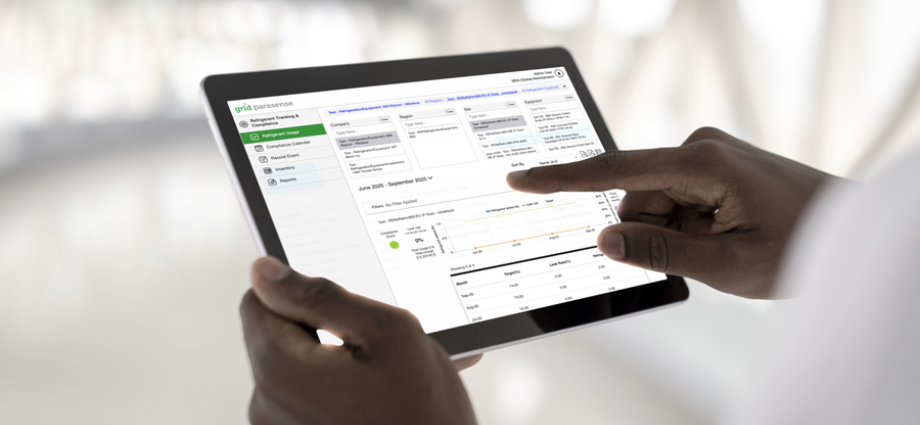
The Parasense Refrigerant Compliance, Enterprise Leak Detection, and Energy Monitoring platforms can help support retailers in closing this visibility gap by bringing refrigerant data, alarms, and compliance documentation into a single hub.
By centralizing information across multiple sites and systems, the Parasense platforms can help support:
- Faster identification of leak trends
- More informed maintenance decisions
- Stronger documentation for audits and reporting
- Better visibility into refrigerant usage and emissions
- Enterprise‑wide oversight of refrigeration assets
Parasense doesn’t replace a retailer’s operational strategy, it supports it by helping provide the data and insights needed to make proactive, informed decisions.
Why Integrated Detection Outperforms Siloed Setups
Fixed refrigerant detection devices, such as MSA’s Multi‑Zone Gas Monitor and Chillgard® 5000, play a critical role in early leak identification. Their value increases significantly when they are part of a connected refrigerant management strategy as well.
- The Multi‑Zone (HGM‑MZ) integrates directly with Parasense, helping to provide real‑time leak data and alarm information across multiple zones.
- The Chillgard 5000 can be connected to the MSA Grid cloud. When a FieldServer IoT gateway is configured, users can see real time gas concentration through the cloud.
When these systems work together, retailers can benefit from a more connected, proactive approach to refrigerant management.
This connected approach helps transform detection data into actionable intelligence; something siloed systems often struggle to achieve.
Turning Visibility Into Advantage
The retailers highlighted in the 2026 Scorecard demonstrate that transparency and proactive refrigerant management are becoming markers of industry leadership.
By strengthening visibility, integrating detection systems, and embracing data‑driven refrigerant strategies, supermarkets can begin to achieve lower emissions, reduced refrigerant costs, more resilient and efficient operations, stronger sustainability performance, and greater customer and stakeholder confidence.
In a year defined by rising expectations and rapid change, proactive refrigerant management is no longer just a best practice, it’s a strategic advantage.
Sources
- Environmental Investigation Agency (EIA). 2026 U.S. Supermarket Scorecard. https://www.climatefriendlysupermarkets.org/scorecard.
- Environmental Investigation Agency (EIA). Refrigerant Management: Climate Friendly Supermarkets. https://www.climatefriendlysupermarkets.org/company-actions.
- U.S. Environmental Protection Agency (EPA). HFC Phasedown and Refrigerant Transition Updates. https://www.epa.gov/hfcs
- Phasedown of Hydrofluorocarbons: Notice of 2026 Allowance Allocations for Production and Consumption of Regulated Substances Under the AIM Act
https://www.federalregister.gov/documents/2025/11/20/2025-20439/phasedown-of-hydrofluorocarbons-notice-of-2026-allowance-allocations-for-production-and-consumption - U.S. Department of Energy (DOE). Refrigeration and Energy Efficiency Trends in Food Retail. https://www.energy.gov/cmei/buildings/refrigeration-products
- AHRI (Air‑Conditioning, Heating, and Refrigeration Institute). Refrigerant Transition and Market Trends. https://www.ahrinet.org/safe-refrigerant-task-force
Recommended for You