With supermarkets facing increasing pressure to reduce refrigerant emissions, improve operational efficiency, and maintain compliance with evolving regulations, having a strong supermarket refrigerant leak detection strategy is more important than ever. Supermarkets rely on extensive refrigeration systems across walk‑ins, display cases, and rack rooms, all of which can be vulnerable to leaks that impact product quality, energy usage, and compliance standing.
In this blog, we explore why refrigerant leak detection matters, outline common leak event patterns seen across food retail, and highlight solutions that can help supermarkets detect, respond to, and reduce refrigerant leaks.
Why Refrigerant Leak Detection Matters for Supermarkets
Supermarkets depend on precise temperature control to keep perishable goods safe and fresh. Even small refrigerant leaks can disrupt cooling performance, increase energy consumption, and lead to costly product loss. Early detection helps prevent these issues while supporting broader sustainability and compliance goals.
Environmental Responsibility
Many refrigerants used in food retail, including HFCs, are potent greenhouse gases. Reducing emissions through early leak detection helps lower a store’s environmental footprint and supports corporate sustainability initiatives.
Regulatory Compliance
Federal and state regulations continue to evolve, driving stricter expectations for leak reduction and refrigerant management. Early detection and proper documentation helps to support grocery store refrigeration compliance and avoid costly penalties.
Operational Efficiency
Leaks force refrigeration systems to work harder, increasing energy usage and accelerating wear on critical equipment. Detecting leaks early helps maintain system performance and reduce operating costs.
What Are The Most Common Refrigerant Leak Events In Supermarkets?
Across food retail environments, certain leak patterns appear more frequently than others. Understanding these patterns can help supermarkets strengthen their refrigerant management programs and reduce emissions. Below are five common refrigerant leak events seen in food retail.
1. The Over‑nighter Leak Pattern

A small leak builds up overnight when walk‑ins remain closed and air movement is minimal. Once the store opens and airflow increases, the refrigerant dissipates and may fall below alarm thresholds. Detecting this pattern early helps prevent long‑term refrigerant loss.
2. The Volcano Refrigerant Leak Pattern

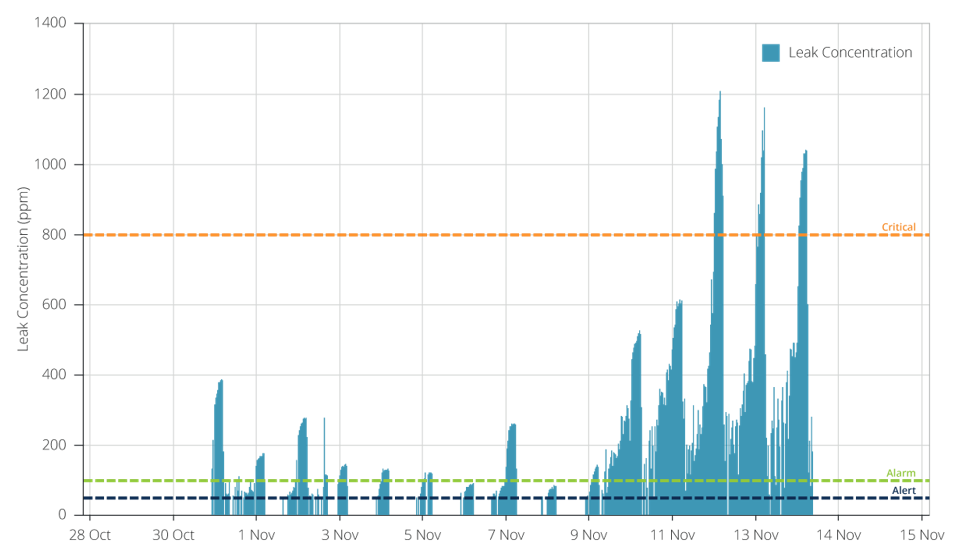
A classic leak event that gradually intensifies until it becomes a major leak. Without early detection, this pattern can lead to significant refrigerant loss and system downtime. Continuous monitoring across critical assets is key to catching this pattern before it escalates.
3. The Defroster Leak Pattern

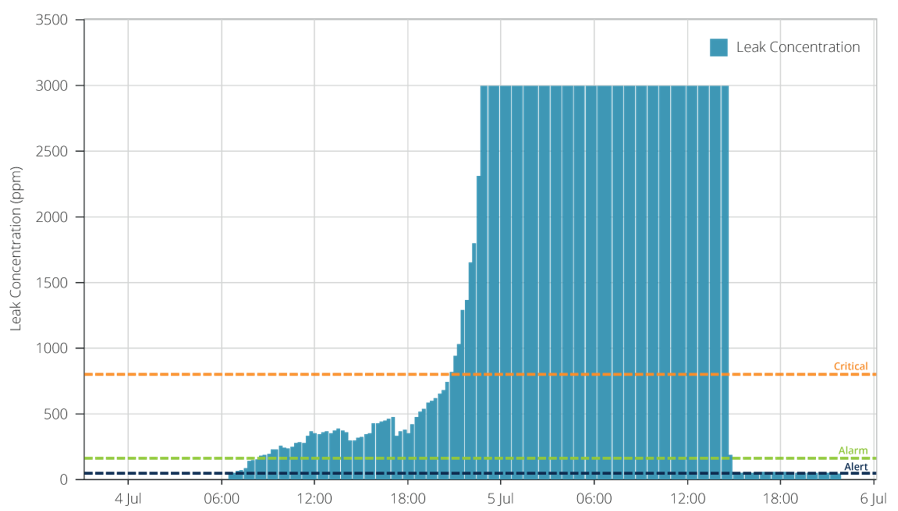
During defrost cycles, rapid temperature and pressure changes can expose leaks that remain sealed during normal cooling. This pattern is common in walk‑ins and display cases. Identifying it requires equipment capable of detecting intermittent leaks tied to defrost schedules.
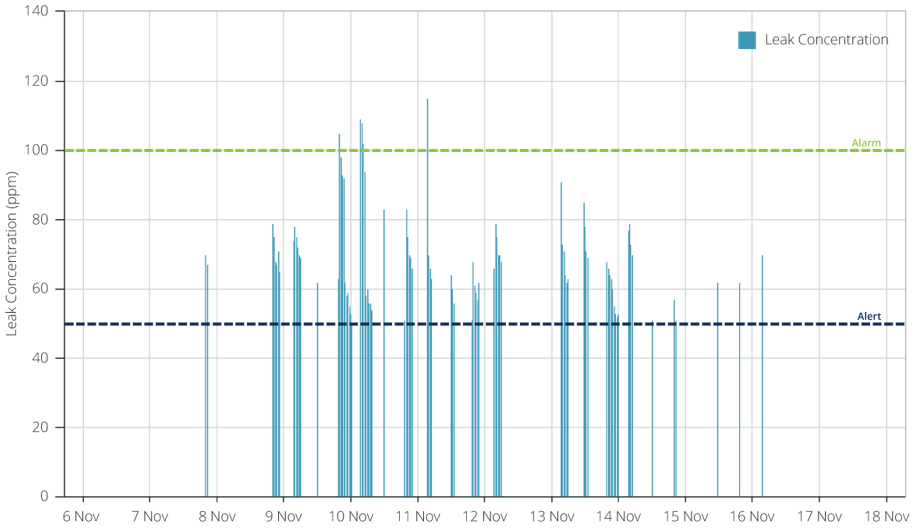
4. The Under‑cover Leak Pattern

A small leak that never reaches alarm thresholds but still results in meaningful refrigerant loss over time. These leaks often occur just outside monitored zones and require careful data review and persistence to locate.
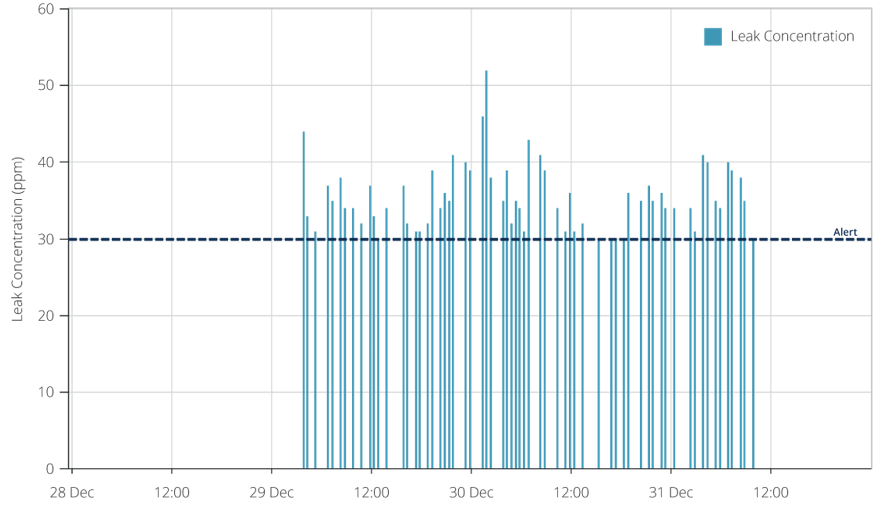
5. The Repeater Leak Pattern

A leak that reappears after an initial repair. Continuous monitoring helps ensure the issue is fully resolved and prevents recurring refrigerant loss.
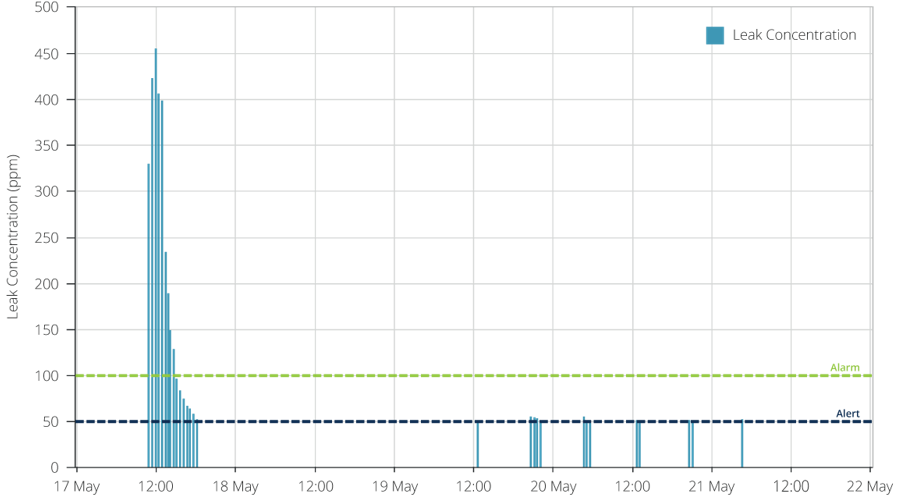
How Can Supermarkets Reduce Refrigerant Emissions?
Supermarkets can benefit from a layered approach to leak detection that includes background monitoring, localized detection, and connected IoT systems.
Background Monitoring
Diffusion‑based and aspirated systems provide continuous surveillance of refrigeration assets. MSA’s Chillgard® 5000 Refrigerant Leak Monitor and the MSA Bacharach® Multi-Zone Gas Monitor offer high‑sensitivity detection designed for supermarket environments. Diffusion systems offer simplicity and cost‑effectiveness, while aspirated systems provide high sensitivity and wide coverage for larger stores.
Localized Leak Detection
Portable electronic detectors and ultrasonic devices help technicians pinpoint the exact location of a leak once background monitoring identifies an issue. Tools like MSA Bacharach’s PGM-IR Portable Refrigerant Monitor support fast, accurate leak identification.
Connected IoT Platforms
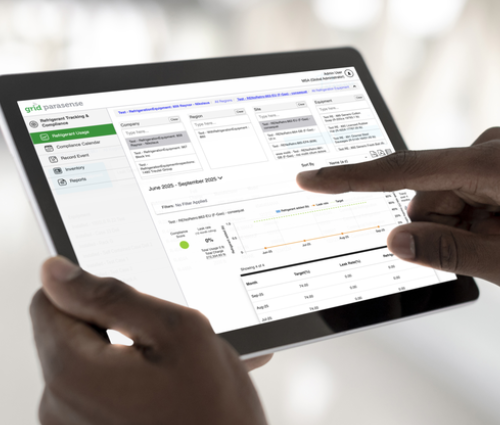
Cloud‑based refrigerant management platforms provide real‑time alerts, historical data, and insights that help supermarkets respond quickly and identify recurring problem areas. The Parasense Refrigerant Tracking and Compliance Software helps support enterprise‑wide visibility and automated documentation.
Strengthening Refrigerant Management for Grocery Retail
Reducing refrigerant emissions is essential for compliance with EPA refrigerant regulations for supermarkets, cost control, and sustainability. By understanding common leak patterns and leveraging advanced detection technologies, supermarkets can improve system performance, reduce refrigerant loss, and maintain compliance with evolving regulations.
MSA Safety offers a range of fixed and portable detection devices, along with connected refrigerant management software, to help supermarkets build a strong refrigerant leak detection strategy. Together, these solutions support early detection, faster response, and long‑term operational efficiency.
Recommended for You