As the holiday season approaches, many industrial facilities adjust staffing levels, maintenance schedules, and operational routines. These changes—combined with colder weather and variations in ventilation—can influence how facilities manage safety. It’s a time when heightened awareness and reliable safety practices become especially important.
A multi-layered gas and flame detection strategy can play a key role in helping facilities maintain visibility into potential hazards during these seasonal shifts. While teams take well-earned time off or rotate schedules, properly configured detection systems continue to support ongoing monitoring as part of a facility’s broader safety program.
Why Layered Detection Can Provide Added Value During the Holidays
Different detection technologies are designed to address different types of hazards and application conditions. When used together appropriately, they can help provide broader coverage and enhance situational awareness.
Seasonal changes can make this even more relevant:
- Reduced on-site staffing may increase reliance on clear alarm communication and remote notification workflows established by the facility.
- Cold temperatures and airflow changes can influence how gases disperse, making detector placement and maintenance practices important.
- Year-end maintenance or hot work can introduce temporary conditions where combustible or toxic gases may be present.
- Remote monitoring and connected systems can help teams stay informed when staffing patterns shift.
A layered approach helps support coverage across different areas and conditions—recognizing that no single technology is designed to address every scenario.
How Layered Technologies Complement One Another
Each type of detection offers different capabilities that, when combined, can help provide a more complete safety picture. Many facilities use a blend of technologies—such as those available in the MSA fixed gas and flame detection portfolio—to address a range of application needs:
- Ultrasonic Gas Leak Detection: Acoustic detectors such as the Observer®i, can detect high-pressure gas leaks based on sound rather than gas concentration, making them useful in outdoor or ventilated environments.
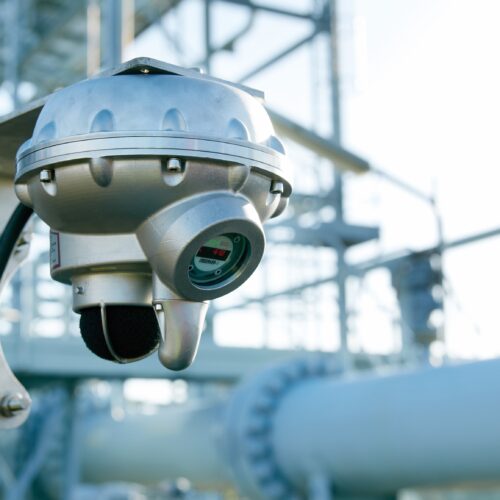
- Point Gas Detection: Fixed point detectors, such as the MSA ULTIMA® X5000, are commonly used to identify gas at the source when placed appropriately.
- Open-Path Gas Detection: Open-path detectors like the Senscient ELDS™ or IR5500 can be useful for monitoring perimeter zones, fence lines, or large open areas.
- Fire Detection: Optical flame detectors—including models such as the FL5000—provide monitoring for fires within their field of view, based on environmental and application conditions.
- Connected Monitoring & Diagnostics: Gateways such as the FieldServer FGFD ProtoAir can help integrate detection devices with supervisory or building management systems, supporting visibility into device communication and network connectivity.

Together, these technologies can help facilities maintain situational awareness during seasonal changes, including times of reduced staffing, colder weather, and shifting workflows.
Supporting Stability During a Busy Season
With a properly designed and maintained safety system, teams may benefit from:
- Confidence that equipment status is visible through established monitoring tools
- Clear alarm pathways and communication protocols
- Up-to-date maintenance and calibration workflows
- Consistent oversight during seasonal downtime or high-activity maintenance periods
These practices can assist facilities in navigating the complexities of year-end operations.
Looking Ahead to the New Year
Evolving industries, new energy applications, and increased connectivity continue to influence how facilities approach gas and flame detection. A multi-layered strategy—aligned with standards, site requirements, and application needs—can support long-term operational visibility and safety planning.
Closing Thought: Behind Every Safe Season Is a Strong Detection Strategy
While the holidays bring schedule shifts and well-deserved downtime, a thoughtfully designed gas and flame detection system remains an important part of maintaining visibility into potential hazards. These systems work alongside your operational processes, helping ensure your facility is prepared for the close of the year and the start of the next.
If you’d like help reviewing your site’s detection strategy or updating your approach for the coming year, MSA can assist in identifying solutions that align with your safety program and application requirements.
Recommended for You