Supermarket refrigeration systems operate around the clock to protect inventory, maintain product quality, and support day-to-day operations. Because these systems often contain large refrigerant charges distributed throughout a facility, even small leaks can develop into costly problems if they go unnoticed.
While automatic leak detection systems can provide valuable monitoring and alerts, there are often warning signs that facility managers and maintenance teams may notice before a leak reaches an alarm threshold.
Recognizing these early indicators can help facilities investigate potential issues sooner and take corrective action before they impact operations, energy consumption, or compliance activities.
Why Early Leak Detection Matters
Refrigerant leaks can affect more than just refrigerant inventory. Depending on the location and severity of the leak, facilities may experience reduced cooling performance, increased energy consumption, additional equipment strain, and unexpected maintenance costs.
For supermarkets, refrigeration issues can also put temperature-sensitive products at risk, making early identification an important component of overall refrigeration management.
Below are five common signs that may indicate a refrigerant leak is developing within your facility.
1. Refrigeration Systems Are Running Longer Than Normal
One of the earliest signs of a potential refrigerant leak is increased system runtime.
As refrigerant levels decrease, refrigeration equipment may need to work harder and operate longer to maintain target temperatures. Compressors may cycle more frequently or run continuously in an effort to compensate for lost system capacity.
While extended runtime can have several causes, including maintenance issues or ambient temperature changes, it may warrant further investigation if the change is sudden or unexplained.
What to Watch For
- Longer compressor operating times
- Increased cycling frequency
- Equipment running continuously during periods of normal demand
- Unexpected changes in refrigeration system performance
2. Energy Costs Begin to Increase
A refrigerant leak can reduce system efficiency long before cooling performance noticeably declines.
As equipment works harder to achieve temperature setpoints, facilities may begin to experience higher energy consumption. In some cases, energy costs may rise gradually, making the increase difficult to identify without reviewing historical utility data.
If utility usage trends upward without a corresponding operational change, refrigeration performance should be evaluated as part of the investigation.
What to Watch For
- Rising utility bills
- Increased refrigeration-related energy consumption
- Declining system efficiency
- Unexpected operating cost increases
3. Temperature Variations in Refrigerated Spaces
Refrigerant leaks can affect a system’s ability to consistently maintain target temperatures.
Before a complete loss of cooling occurs, facilities may observe temperature fluctuations in display cases, walk-in coolers, freezer systems, or cold storage areas. These changes may be intermittent at first and become more pronounced as refrigerant loss continues.
Small temperature variations can be easy to overlook but may signal developing refrigeration performance issues that deserve attention.
What to Watch For
- Inconsistent display case temperatures
- Warmer-than-normal refrigerated spaces
- Temperature alarms occurring more frequently
- Product temperature concerns
4. Maintenance Calls Become More Frequent
When refrigeration systems are operating outside their normal conditions, maintenance teams often begin responding to recurring issues.
A facility experiencing a refrigerant leak may notice repeated service calls related to system performance, pressure concerns, compressor operation, or cooling capacity. While individual events may appear unrelated, trends can sometimes reveal an underlying refrigerant issue.
Tracking service history can help facilities identify patterns before they develop into larger operational challenges.
What to Watch For
- Recurring refrigeration service requests
- Repeated performance-related maintenance activities
- Ongoing troubleshooting of the same equipment
- Increasing maintenance costs
5. Refrigerant Usage Is Higher Than Expected
Perhaps the most direct indicator of a leak is unexplained refrigerant replacement.
If a system requires refrigerant to be added more often than expected, facilities should evaluate whether refrigerant loss is occurring somewhere within the system. Maintaining accurate service records can help identify unusual recharge activity and support ongoing refrigerant management efforts.
For organizations operating multiple stores, monitoring refrigerant usage across locations can also help identify facilities that may require further inspection.
What to Watch For
- Frequent refrigerant recharging
- Higher refrigerant purchasing costs
- Unusual refrigerant consumption trends
- Repeated refrigerant-related service visits
The Role of Continuous Refrigerant Monitoring
Visual inspections and routine maintenance remain important parts of any refrigeration management program, but intermittent checks may not always identify leaks as they develop.
Continuous refrigerant monitoring solutions can provide around-the-clock visibility into refrigerant conditions and help notify personnel when concentrations exceed predetermined thresholds. This proactive approach may help facilities identify potential leaks sooner and prioritize maintenance activities more effectively.
For supermarket operators managing multiple refrigeration systems, automated monitoring and refrigerant management technologies can help improve operational visibility, support proactive maintenance, and provide earlier insight into potential refrigerant-related issues.
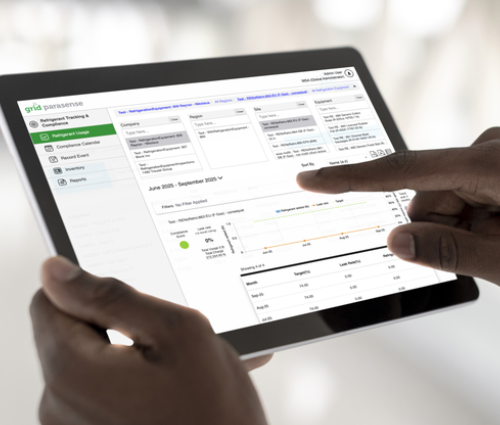
Refrigerant management solutions can help facilities track refrigerant usage and identify trends across systems, while fixed refrigerant monitoring solutions can provide continuous leak detection in critical areas.
Taking a Proactive Approach to Refrigerant Management
Not every increase in energy use, maintenance activity, or temperature variation indicates a refrigerant leak. However, these changes can serve as valuable warning signs that further investigation may be needed.
By paying attention to operational trends and implementing appropriate refrigerant monitoring strategies, supermarkets can help reduce the risk of unnoticed leaks, protect critical refrigeration assets, and support broader compliance and sustainability objectives.
As refrigerant regulations continue to evolve and refrigerant costs remain a consideration for many operators, early leak detection is becoming an increasingly important part of effective refrigeration management.
Looking to strengthen refrigerant leak detection across your facility?
Explore MSA’s refrigerant monitoring and leak detection solutions to help improve visibility into refrigeration system performance and support proactive refrigerant management practices.
Recommended for You